NEC Code
PVC Conduit Explained: A Practical Guide to NEC Article 352
A practical guide to NEC Article 352: the five types of PVC conduit, support spacing, expansion fittings, field bends, bushings and exam navigation tips.
Read more →Study tips, exam guides, and everything you need to know about NEC certification.
A practical guide to NEC Article 352: the five types of PVC conduit, support spacing, expansion fittings, field bends, bushings and exam navigation tips.
Read more →
Learn the voltage drop formula 2KID/CM step by step, including K factors, NEC Chapter 9 Table 8 circular mils and a full worked exam example.
Read more →
Does a mobile home need its own grounding electrode system, or only the service? Here's how 250.32(A), 550.16 and 550.32(A) fit together.
Read more →
Learn when the NEC requires a local disconnect for water heaters and how 422.31(B) lets your breaker or switch do the job instead.
Read more →
Learn when to count current-carrying conductors, how to apply NEC 310.15 adjustment and correction factors, and which ambient temperature table to use.
Read more →
Learn how to size overcurrent devices and conductors for commercial and dwelling services, including when the NEC 83% rule and Table 310.12 apply.
Read more →
A practical walk through NEC Article 358: where EMT can be used, corrosion rules, support and securing distances, bends, and exam tips.
Read more →
Learn the two NEC-approved ways to install a Ufer ground: bond to the footing rebar or lay 20 feet of bare No. 4 copper in the concrete.
Read more →
How NEC 210.52(A) sets general receptacle spacing in dwelling units: the 6/12 rule, what counts as wall space, floor boxes and outlets that don't count.
Read more →
Learn the exam-proven order for sizing overcurrent protection and conductors, with five worked examples covering continuous and non-continuous loads.
Read more →
A 40-year NEC veteran and code panel member explains why structured study, not pamphlets or video-only courses, is what gets you through the journeyman exam.
Read more →
How NEC 406.9(C) evolved from 2017 to 2023 — the 3 ft by 8 ft zone, small bathroom exceptions, and the new bidet receptacle allowance.
Read more →
A step-by-step guide to sizing the minimum 15- or 20-amp general lighting and receptacle circuits for a dwelling using NEC 220.41.
Read more →
Learn to size conductors for continuous and non-continuous loads using the NEC ampacity tables, terminal ratings, and the 125% rule.
Read more →
A practical walk through NEC Article 344: where RMC is permitted, corrosion rules, bushings, bends, securing and supporting, and grounding.
Read more →
The NEC doesn't require a dedicated circuit for hardwired smoke detectors — here's why that's a good thing, and where to tap the circuit from instead.
Read more →
A CMP-5 member explains the difference between supply side bonding jumpers and equipment grounding conductors under the 2023 NEC, including how to size each.
Read more →
A practical walk-through of NEC 314.16 box fill: conductors, equipment grounds, clamps, devices, barriers and a full worked example.
Read more →
A room-by-room guide to where NEC 210.12 requires AFCI protection in dwelling units — and the exceptions most electricians miss.
Read more →
Learn two ways to work out conductor fill — the fast Informative Annex C lookup and the full Chapter 9 Table 1, 4 and 5 calculation.
Read more →
Learn how to apply NEC Table 120.45 demand factors to general lighting, receptacle, small appliance and laundry loads in dwelling units.
Read more →
A master electrician critiques five common hot tub code claims — separating real NEC 2023 Article 680 requirements from widespread myths.
Read more →
Understand Type 1, Type 2 and Type 3 surge protective devices — where each installs, what it protects against, and why modern homes need layered protection.
Read more →
Understand available fault current, SCCR, and AIC ratings under NEC 2023 sections 110.9, 110.10 and 110.24 for commercial service equipment.
Read more →
NEC 250.32(A) explained: why a single branch or multi-wire branch circuit to a detached garage doesn't require a grounding electrode system.
Read more →
Learn why the neutral conductor in a single-family dwelling must be sized under NEC Part III, and how to apply every allowance correctly.
Read more →
A step-by-step guide to calculating range and cooking-appliance loads for dwellings using NEC Table 220.55 (120.55 in the 2026 code), Columns A–C.
Read more →
A working electrician's plain-English guide to metal-clad cable under NEC Article 330: where you can use it, where you can't, and the common mistakes.
Read more →
A practical guide to NEC Article 230 overhead service drops: PVC under the eave versus rigid metal through the roof, plus the 230.24 conductor heights.
Read more →
A working electrician's breakdown of why tankless water heaters don't need GFCI protection under the 2023 NEC — and how the real rules of 210.8 and 422.5 work.
Read more →
A step-by-step guide to calculating household dryer loads for the exam using the NEC's 5,000 VA minimum rule and the demand factors in Table 220.54.
Read more →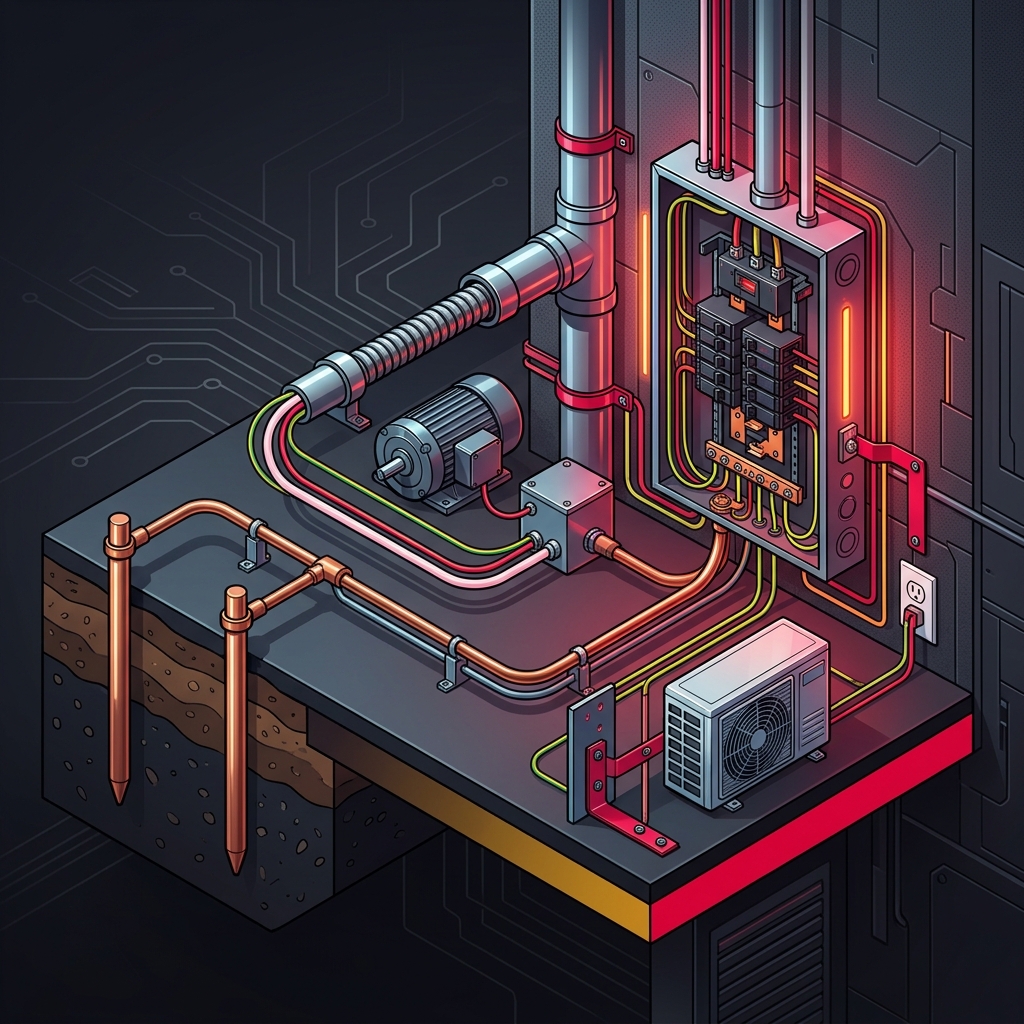
A working electrician's guide to equipment grounding conductors versus equipment bonding jumpers, and how the 2023 NEC changes tying grounds in the box.
Read more →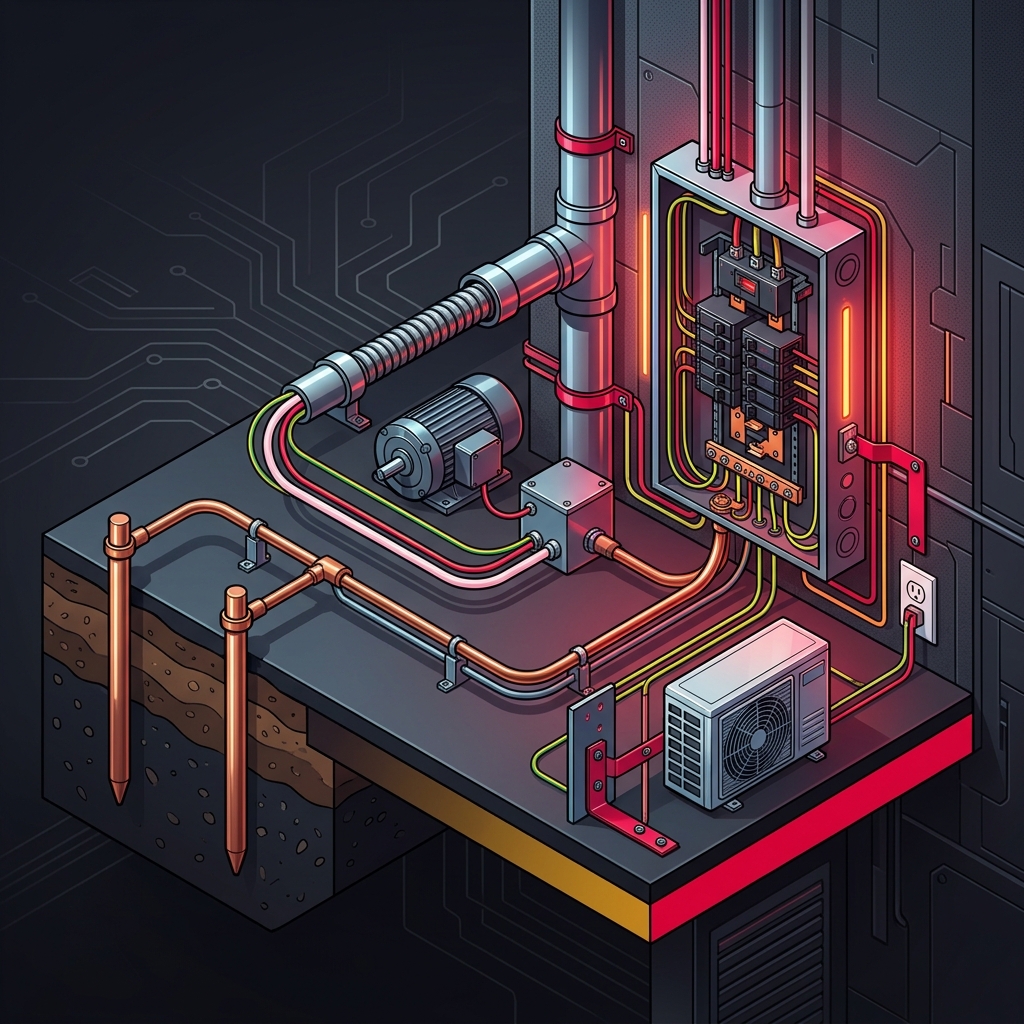
A clear, code-based explanation of when you must establish a grounding electrode system at a detached building or outbuilding fed from another structure.
Read more →
A practical walkthrough of NEC Article 120 dwelling load calculations: the 2 VA per square foot rule, what counts as square footage, and exam tips.
Read more →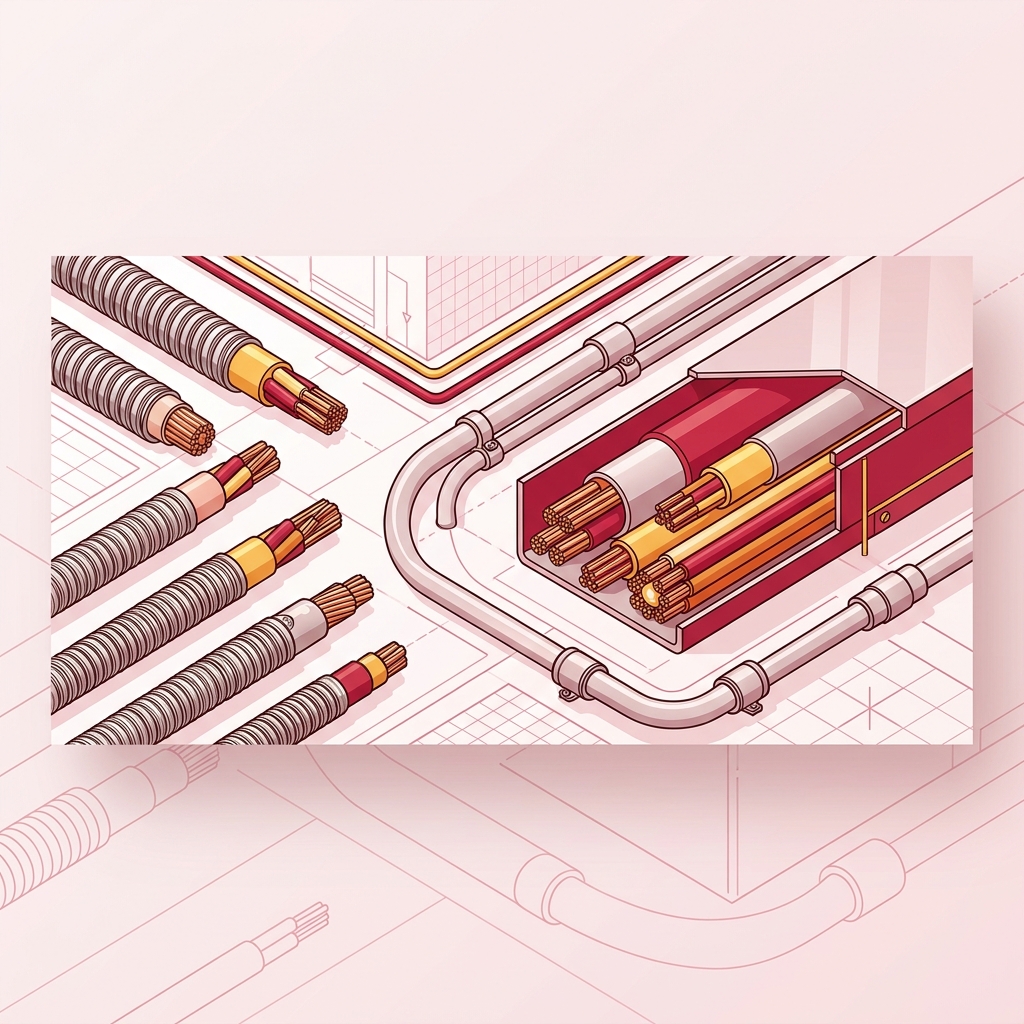
A practical breakdown of NEC Article 320 armoured cable: how Type AC differs from MC, where you can run it, and the bonding strip and ampacity rules.
Read more →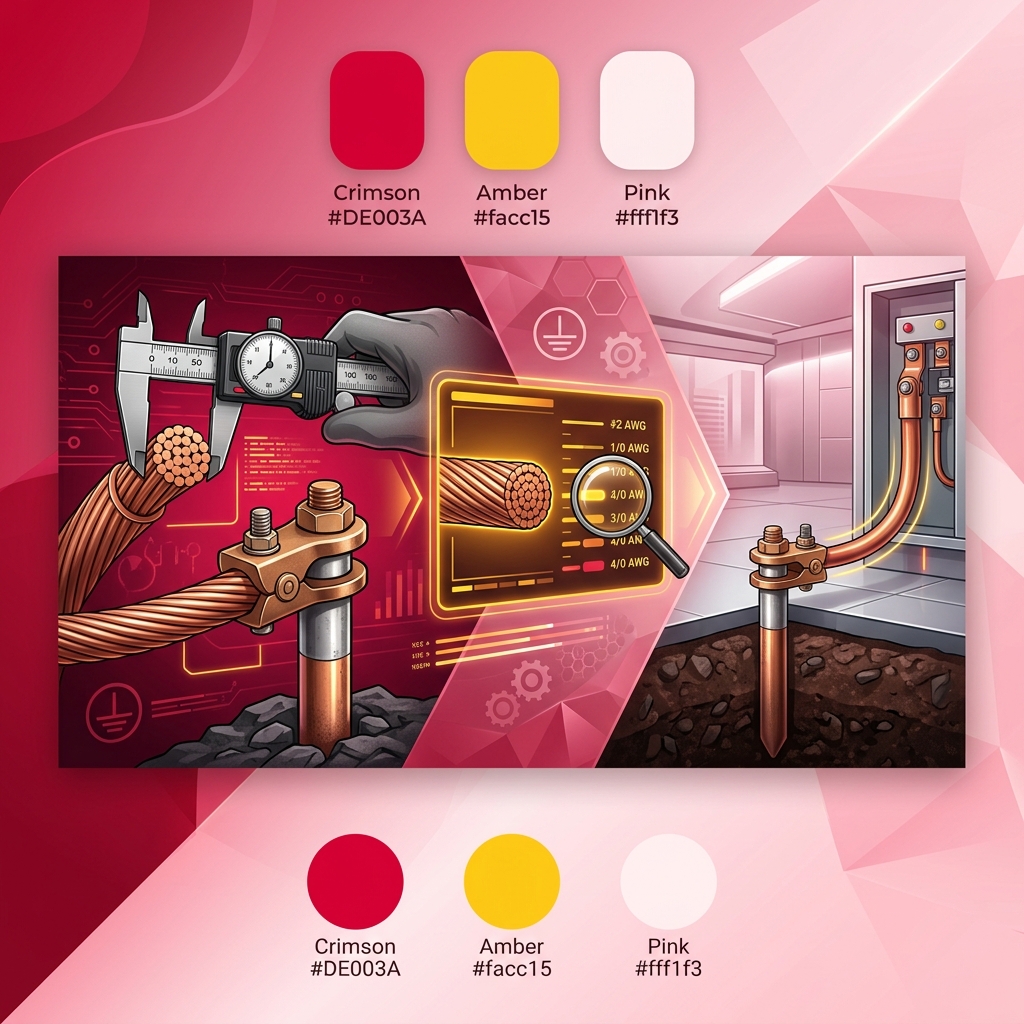
A step-by-step guide to sizing grounding electrode conductors with NEC Table 250.66, including the parallel-conductor trick and the electrode exception.
Read more →
A 40-year NEC instructor shows how a box fill question can carry the wrong answer key, and why you should always challenge your study source.
Read more →
A practical guide to transformer turn ratios, primary and secondary currents, and NEC 450.3(B) overcurrent protection for the journeyman and master exams.
Read more →
A plain-English guide to the 2026 NEC 250.122 changes for sizing equipment grounding conductors on standard, parallel, motor, and feeder-tap circuits.
Read more →
A working electrician's exam-day strategy for beating the testing algorithm, managing stress, and maximising your journeyman or master's exam score.
Read more →
Learn when extending or modifying an existing branch circuit triggers AFCI protection under NEC 210.12, and when the 6-foot exception applies.
Read more →
A working electrician's breakdown of the first five must-know NEC articles for residential work — from Article 100 definitions to receptacle spacing in 210.52.
Read more →
A clear breakdown of where the NEC actually mandates voltage drop, where it's only a recommendation, and how the IECC quietly requires it for commercial work.
Read more →
Can a dishwasher and garbage disposal share one branch circuit? Here's what NEC 210.23 actually says and why the 50% rule is so misunderstood.
Read more →
A clear, code-based guide to multiwire branch circuits: what they are, how to install them properly, and how to avoid mistakes that burn up neutrals.
Read more →
A step-by-step breakdown of a complete residential dwelling load calculation using the 2026 NEC — general lighting, fixed appliances, dryer, range, and HVAC.
Read more →
A practical guide to sizing branch-circuit conductors and overcurrent protection for a residential electric water heater under the NEC's min and max rules.
Read more →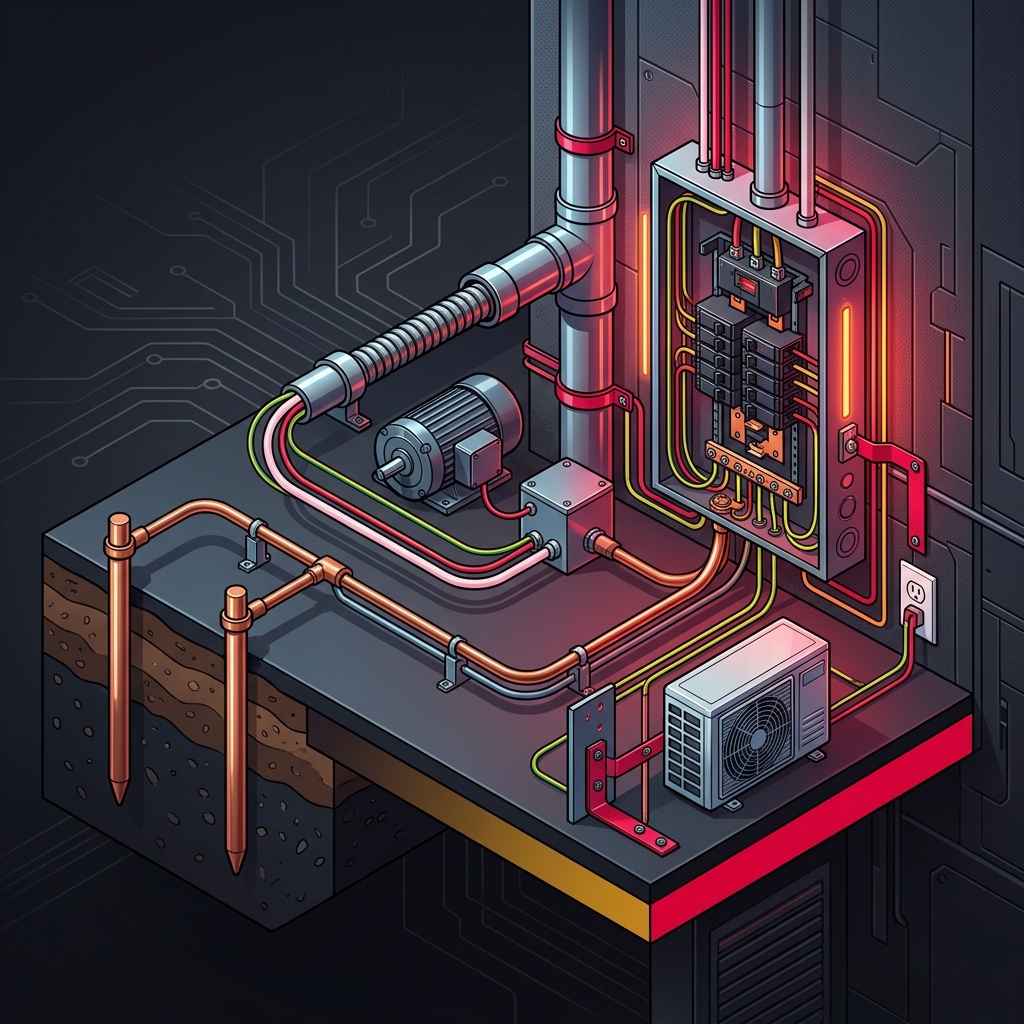
A practical guide to equipotential bonding for permanently installed pools: what must be bonded, bonding methods, and key NEC 680.26 requirements.
Read more →
A complete breakdown of NEC 230.85 emergency disconnect rules for one and two family dwellings: your three options, marking, and 2020-to-2023 changes.
Read more →
Why AFCI breakers nuisance trip, the most common wiring and appliance causes, and a step-by-step troubleshooting method for electricians.
Read more →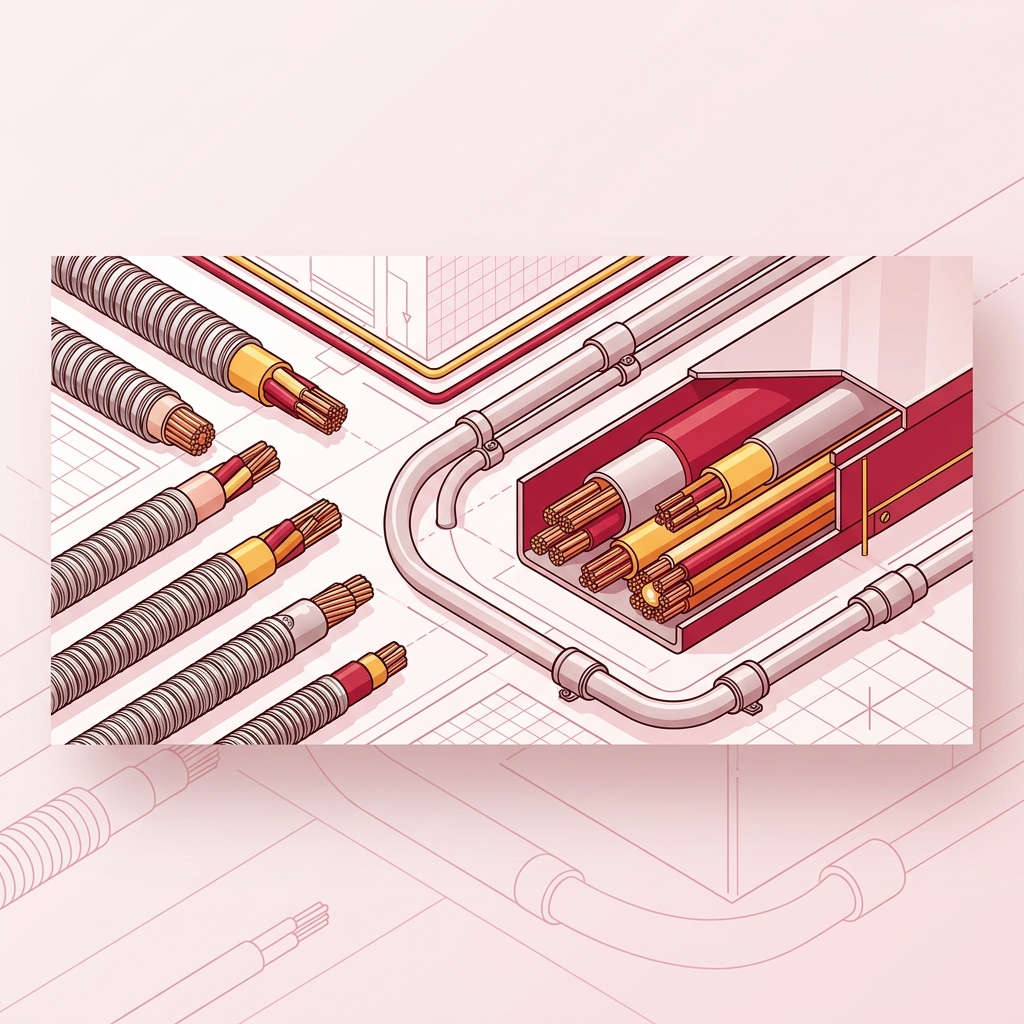
A clear breakdown of MC cable versus AC cable: armour construction, equipment grounding, and healthcare rules under NEC Articles 320, 330, and 517.
Read more →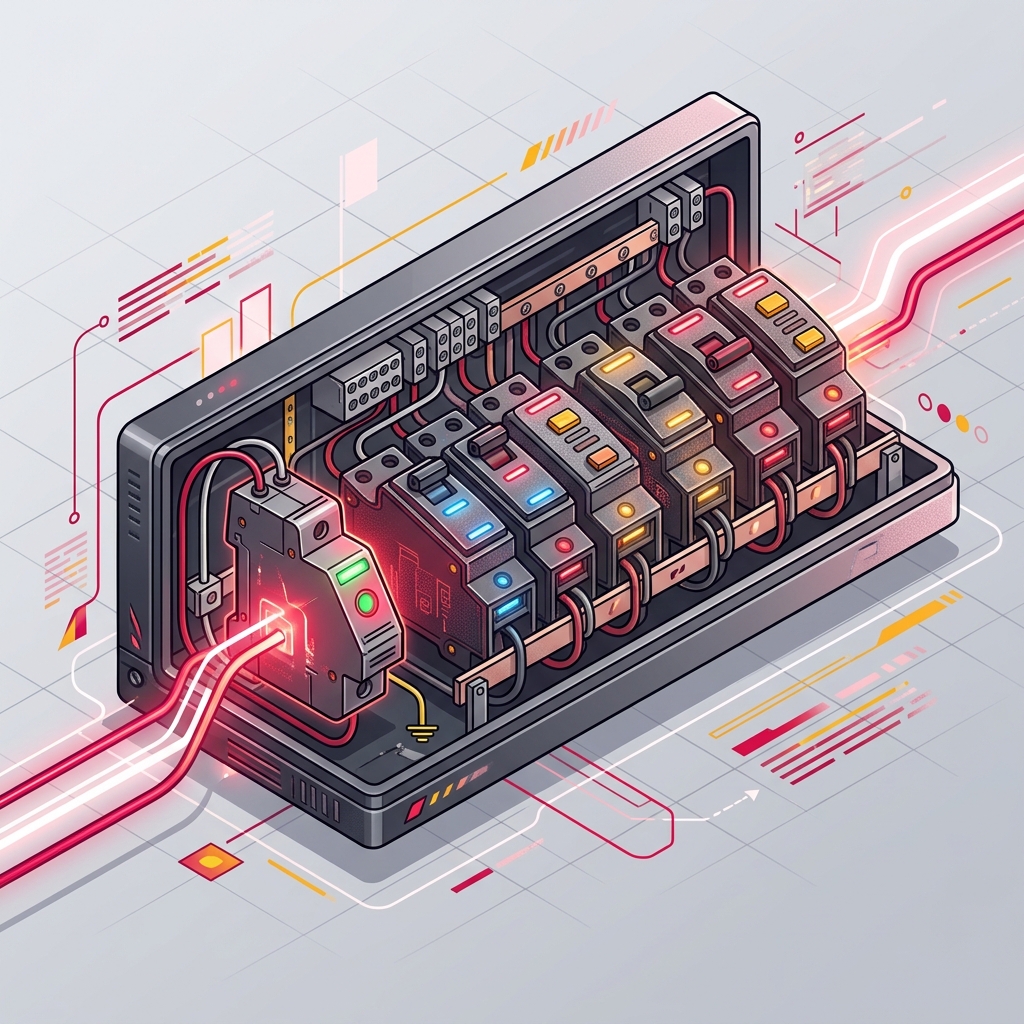
A breakdown of NEC surge protection rules in 230.67 across the 2017, 2020, and 2023 cycles, from voluntary to mandatory for dwelling units and beyond.
Read more →
A deep dive into how even professional exam prep databases get NEC questions wrong, and what electricians can learn from dissecting those mistakes.
Read more →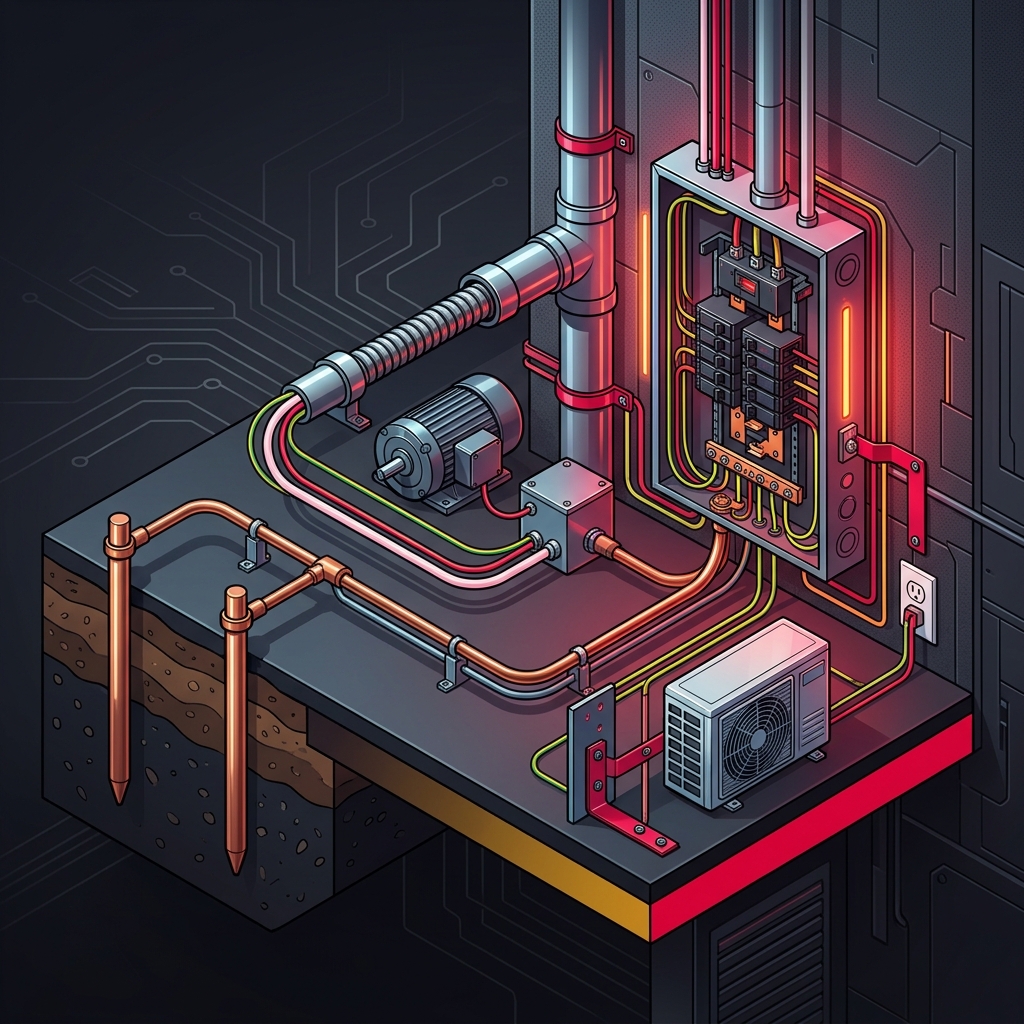
A clear breakdown of when grounds and neutrals must be bonded versus separated, why it matters for safety, and what happens when you get it wrong.
Read more →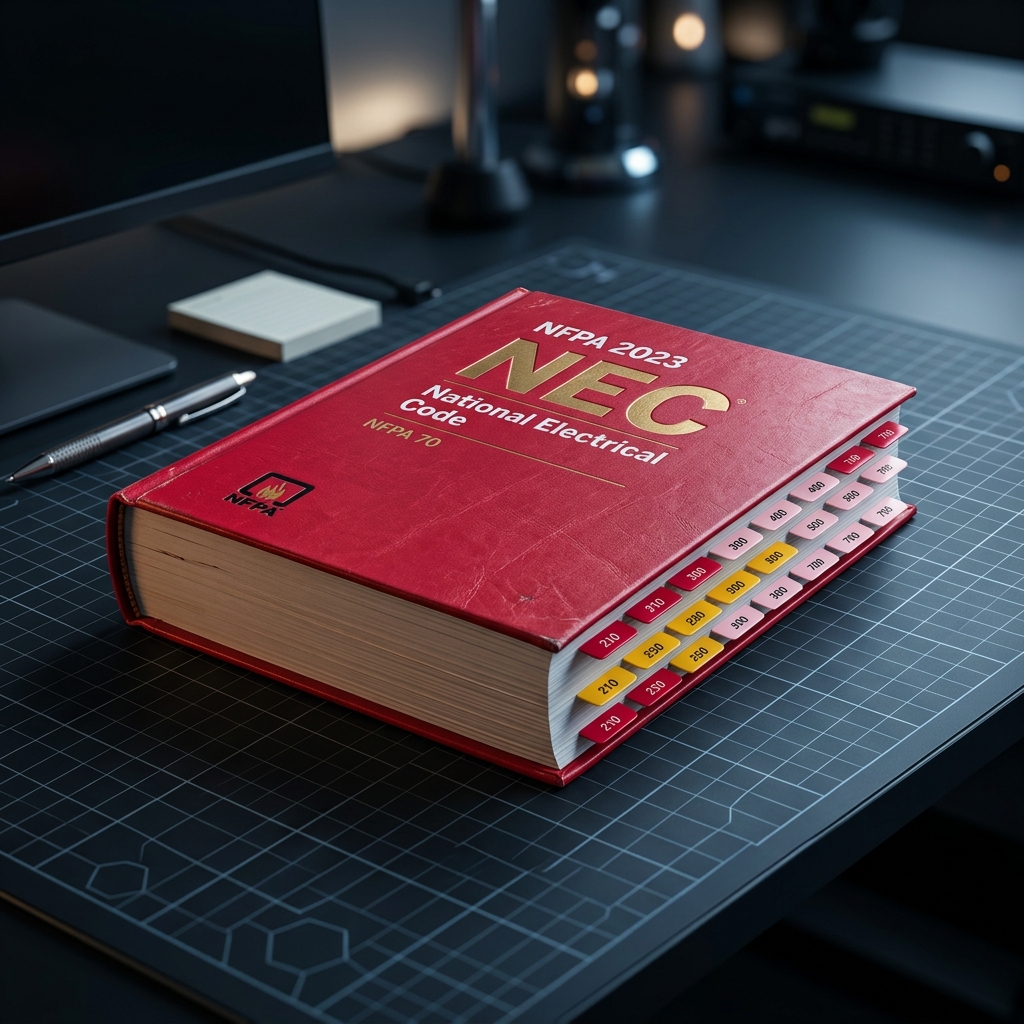
A complete page-by-page guide to tabbing your 2026 NEC codebook so you can find any article, table, or section in seconds during your electrical exam.
Read more →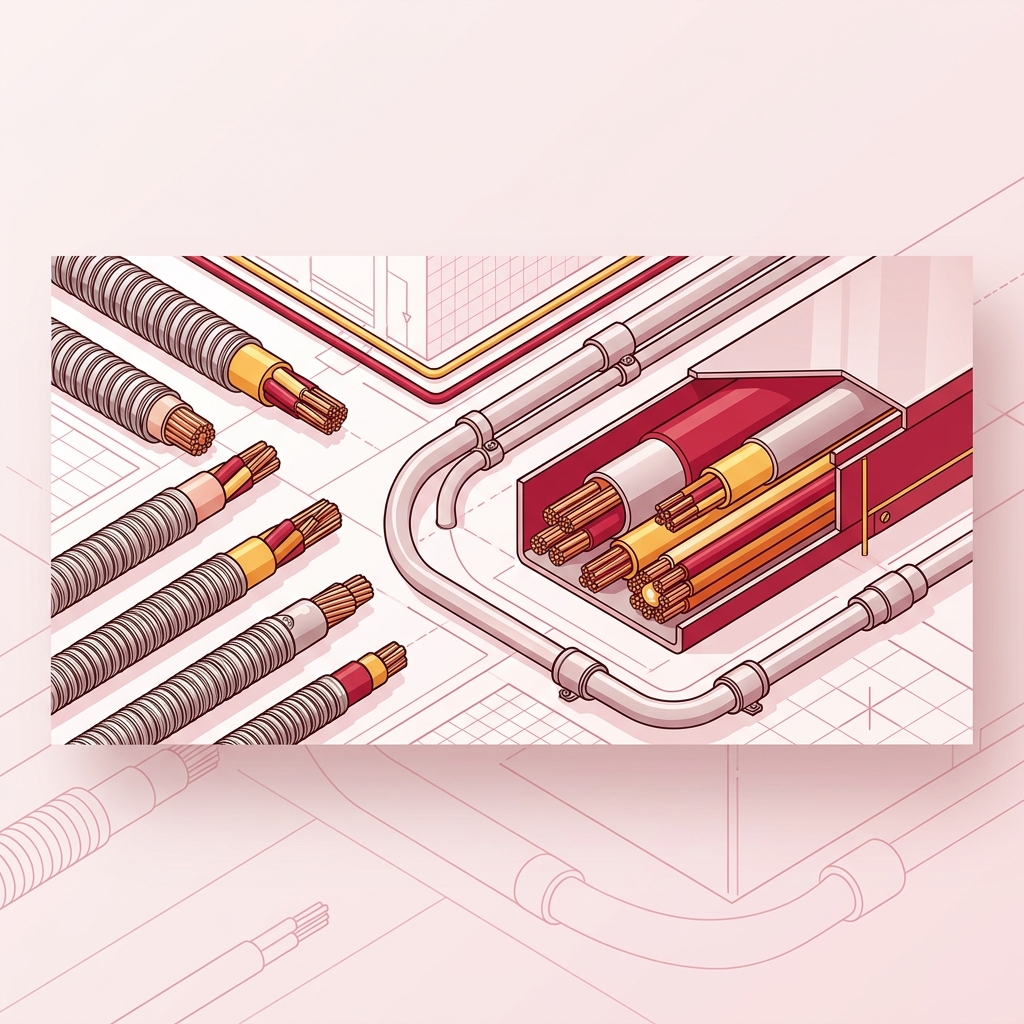
A step-by-step guide to calculating raceway fill with different conductor types and sizes, one of the most common NEC exam calculation questions.
Read more → Real-world advice from an electrician who passed the journeyman exam on his first attempt: no costly courses, just a proven way to learn the NEC.
Read more →
Everything you need to know about preparing for and passing your National Electrical Code certification exam, from study strategies to exam day tips.
Read more →
A breakdown of the most heavily tested NEC topics across all electrician licensing exams, with tips on what to focus your study time on.
Read more →
Understanding the different types of NEC-based electrical licensing exams, their requirements, and how to choose the right preparation path.
Read more →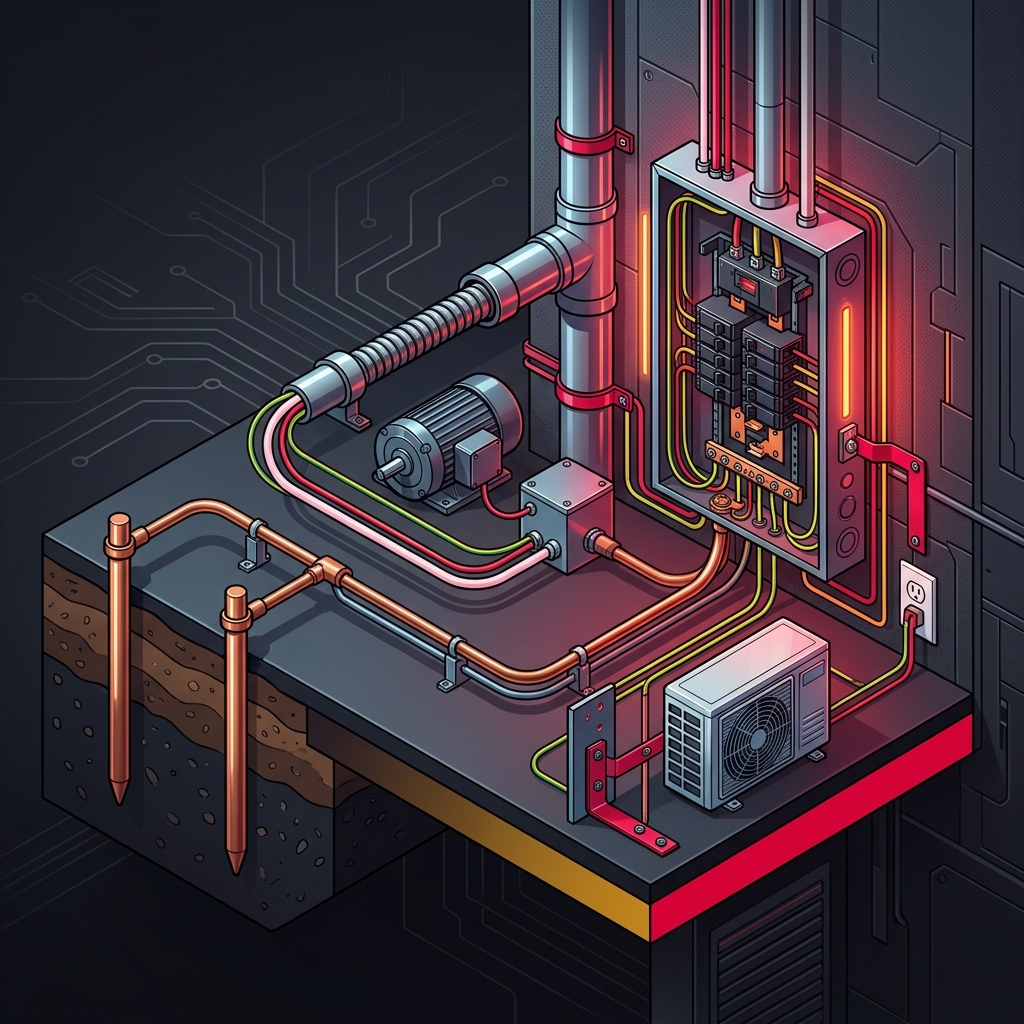
A comprehensive guide to NEC Article 250 covering grounding electrode systems, equipment grounding, bonding requirements, and common exam questions.
Read more →